
Emergency care plans that put people first

ReSPECT replaced the narrow focus on ‘do not resuscitate’ forms with a conversation, and a plan, built around what matters to the person. Designed with over 30 national organisations, it has been adopted by around 55% of UK health services since 2017.

End-of-life medication at home without delays

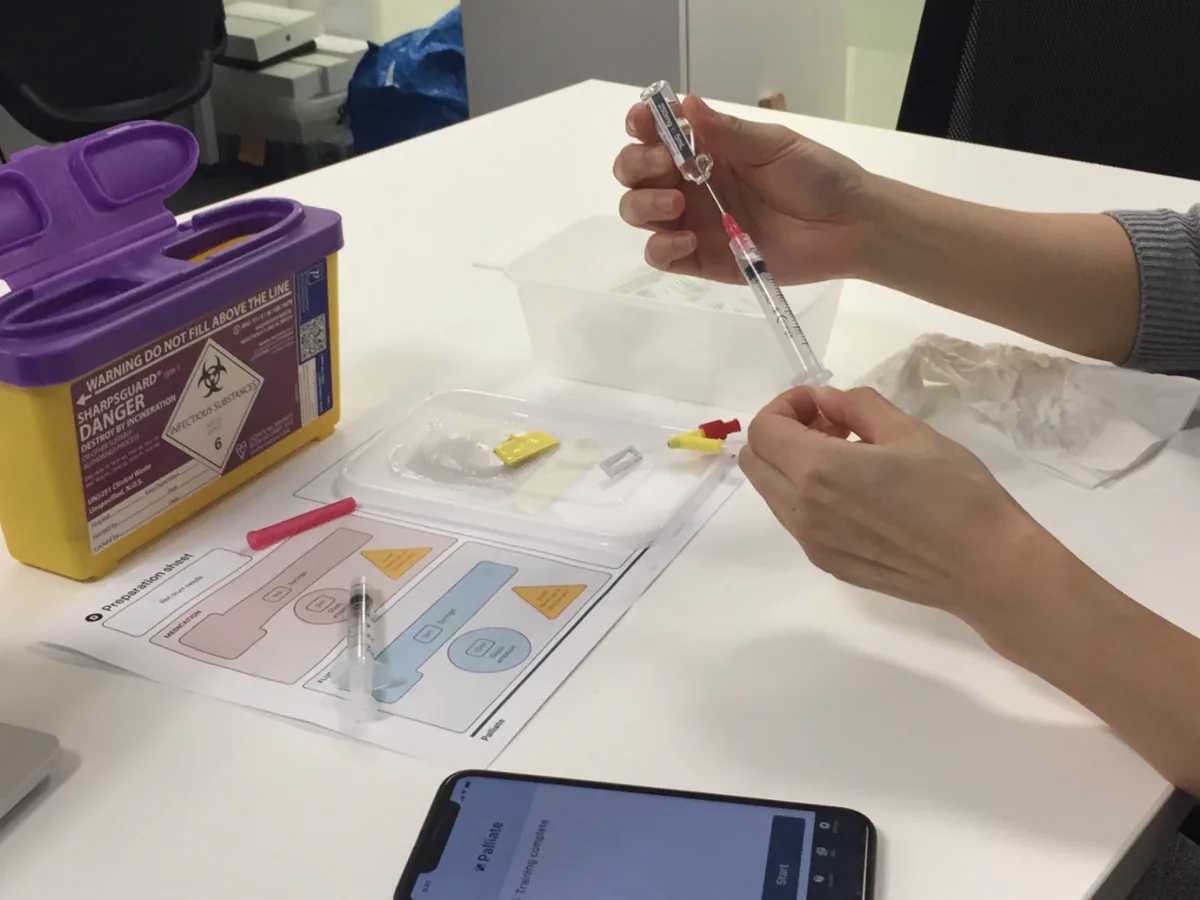
Palliate was developed to help train and support family carers to give end-of-life medication at home. In an establishing pilot with CNWL NHS Trust, the wait for symptom relief fell from over 100 minutes to 20, and 91% of injections were given without a nurse present.

Helping a hospice reach far more of the people who need it

Princess Alice Hospice wanted to reach far more of the people in its community who need end-of-life care. My discovery showed why a service model built for a small number of people with complex needs was holding that back, and where hidden clinical effort was going. The board agreed a further phase, and the work continues.

Full case study coming soon

Prototyping safe ways to talk about death and legacy in a charity built on hope

Great Ormond Street Hospital Charity wanted its fundraisers to talk more openly about death, loss and legacy. Research across the charity showed supporters and staff were more ready than the organisation assumed. The gap was permission and safety, not willingness. Workshops and prototypes produced six guiding principles and practical tools that teams began using straight away.

Full case study coming soon

Taking care planning out of the clinic and into the home

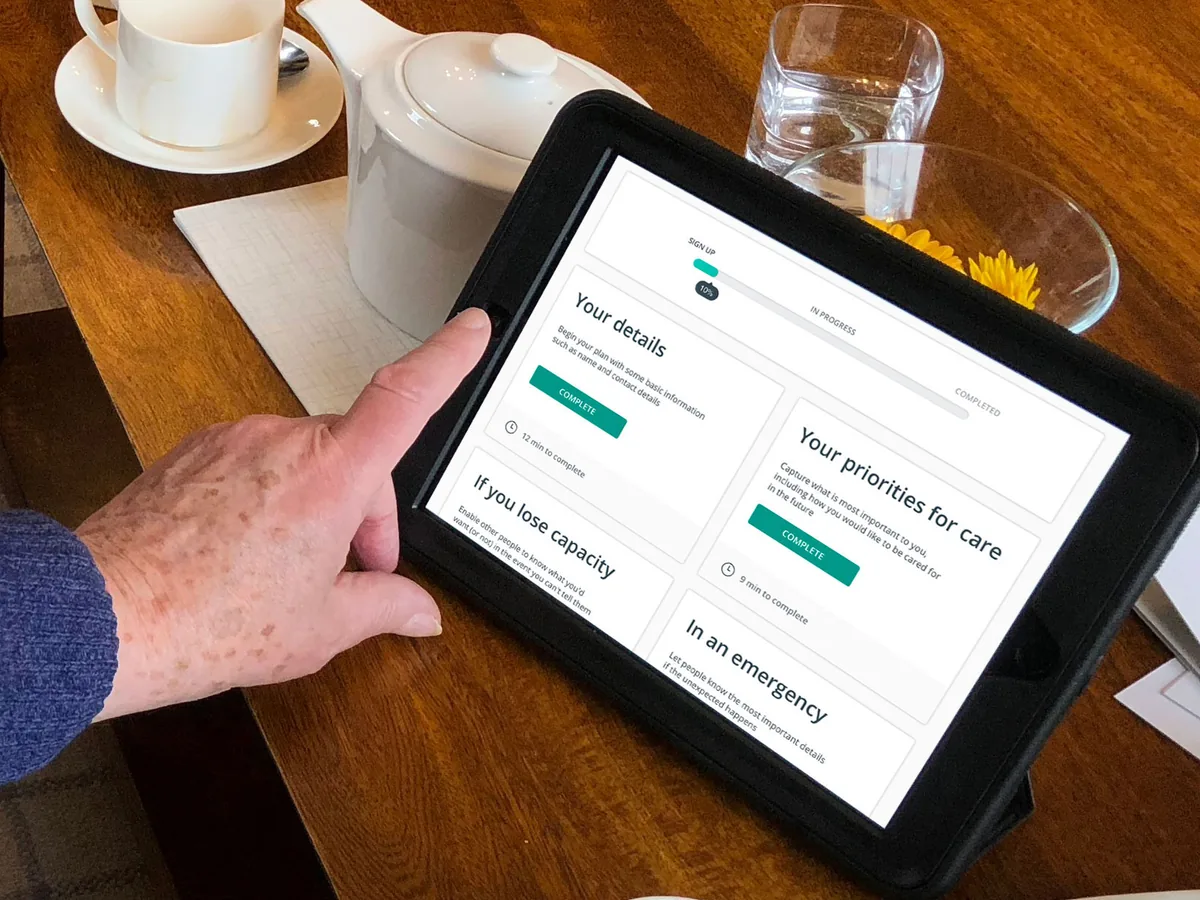
Only 5% of people admitted to hospital have an advance care plan, yet 80% of people with one die where they choose. I co-founded Amber Care Plans so anyone could make a plan at home and share it with family, carers and GPs. In two years, 4,600 people signed up, 40% of them living with an illness.

A blueprint for the future of children’s hospice care

For a new children’s hospice near Bologna, designed with Renzo Piano Building Workshop, we researched and prototyped how care could reach beyond the building. The work produced four service prototypes and a published blueprint setting out nine critical features of children’s palliative care.

Supporting the nurses who care for the dying

For Palliative Discovery, a new learning platform for palliative care nurse specialists, I interviewed and surveyed nurses about what they needed. Above any formal training, they wanted help with the hardest part of the job: caring for patients much like themselves, often young with young families. They also wanted unstructured time together. I turned these findings into wireframes and content to test how the platform could offer both.

Read how it re-centred one nurse →

Music-making that helps people express how they feel

I co-founded Cove, an app that turns expressing emotions into playful music-making. It was approved for the NHS apps library, made available on prescription through GPs, and used by more than 270,000 people worldwide.

Making room for shared grief in a crisis

Five weeks into the first UK lockdown, Alex Evans, Casper ter Kuile and I published This Too Shall Pass, one of the first calls to treat Covid-19 as a moment of collective grief. It built on my earlier research into climate grief, drawing on old stories and rituals to offer eight lessons and five simple practices for grieving well, together.

Read the report →

Let’s talk about your challenges

I offer a free 30-minute consultation to explore how we might work together. We can discuss (with no strings attached) your current challenges, share relevant experiences and identify possible next steps. You can also get in touch via email.